
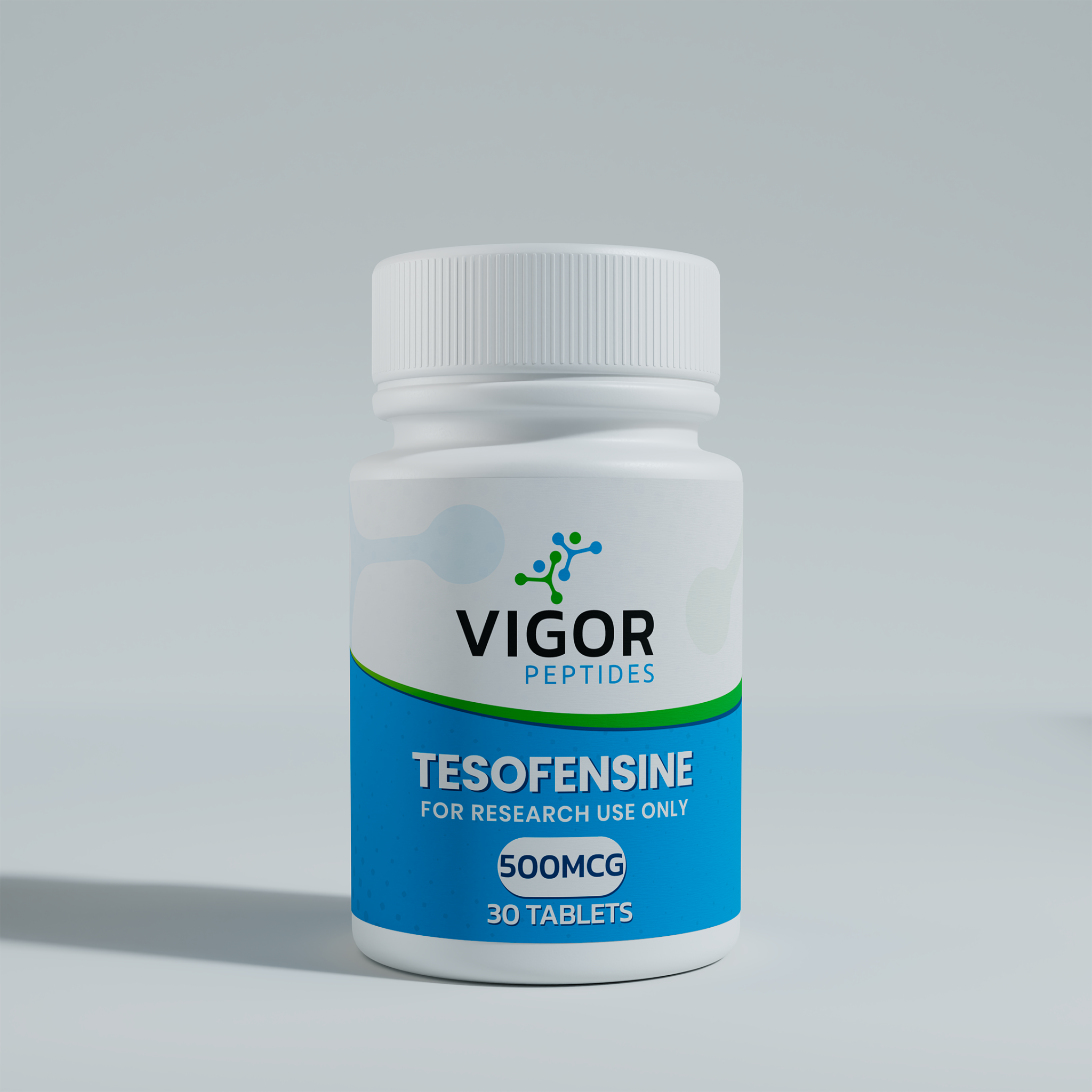
Buy Tesofensine 500mcg

Tesofensine is a synthetic compound currently studied in preclinical and experimental research settings for its interaction with neurological and metabolic signaling pathways.
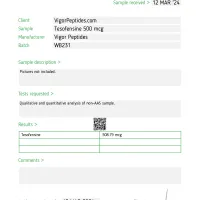
Third-party lab tested with Certificate of Analysis (COA)
Supplied as a research-grade compound
In stock and ready to ship
Note: This product is intended for laboratory research use only. Not for human consumption.
In stock and ready to ship
Note: This compound is provided in tablet form for convenience and stability. It is intended strictly for laboratory research use only and is not for human or veterinary consumption.
Tesofensine Compound – Research Overview
Tesofensine is a synthetic compound currently studied in controlled laboratory environments for its interaction with neurological and metabolic signaling pathways.
Originally developed for research involving central nervous system activity, Tesofensine is frequently utilized in experimental models designed to evaluate neurotransmitter-related signaling mechanisms and pathway-specific interactions within controlled research frameworks.
Its structural profile and mechanism of interaction make it a compound of interest in studies involving neurotransmitter systems and signaling pathway analysis.
Mechanism Profile in Research Settings
Tesofensine is studied in controlled laboratory environments for its interaction with multiple neurotransmitter systems:
Monoamine Reuptake Interaction
Examined in experimental models for its influence on neurotransmitter signaling pathways, including dopamine, serotonin, and norepinephrine systems
Neurological Signaling Pathways
Studied in research frameworks evaluating central nervous system signaling and pathway-specific interactions
These mechanisms are investigated in controlled settings to better understand compound-specific signaling behavior and pathway dynamics.
Research Context
Tesofensine research is conducted in controlled laboratory environments focused on neurological signaling systems and metabolic pathway interactions.
It is commonly included in experimental models evaluating neurotransmitter-related activity, compound interaction with central signaling pathways, and structure-function relationships within research settings.
All referenced information reflects controlled laboratory environments and is provided strictly for scientific and educational context.
Why Researchers Study Tesofensine
Tesofensine is studied for its interaction with neurotransmitter systems and signaling pathways in controlled research models. This supports:
- Neurotransmitter pathway research
- Central nervous system signaling studies
- Metabolic and neurological pathway interaction analysis
- Compound-specific signaling research
Its defined mechanism profile supports structured investigation across multiple research applications involving signaling system evaluation.
Product Format & Configuration
- Supplied as a 500mcg research compound
- Research-grade material
- Individually packaged for controlled laboratory use
Storage & Handling
Form: Research compound
Storage Conditions:
- Store in a cool, dry, light-protected environment
- Maintain packaging integrity until use
Stability:
Maintains integrity under recommended laboratory storage conditions.
Check out our Cellular Repair Research
Compliance Statement
This product is provided exclusively for laboratory research. Any discussion of research context is intended for educational purposes only. We do not recommend or endorse use in humans or animals. Researchers should follow all applicable regulations and ethical guidelines.
Quality & Verification
Each batch of Tesofensine undergoes third-party analytical testing to verify:
- Identity
- Purity
- Quantity
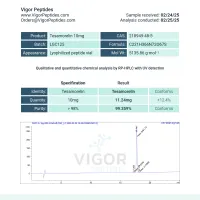
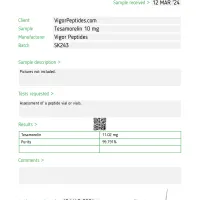
Each unit is matched to a corresponding Certificate of Analysis (COA), ensuring full batch transparency and verification.
Ordering & Availability
Laboratories seeking to buy Tesofensine or order Tesofensine online for research purposes can review current batch availability and testing documentation directly on this page.
Frequently Asked Questions
Q: What is Tesofensine?
A: Tesofensine is a synthetic compound studied in controlled laboratory environments for its interaction with neurological and metabolic signaling pathways.
Q: Is Tesofensine tested and verified?
A: Yes. Each batch undergoes third-party analytical testing to confirm identity, purity, and quantity, with a corresponding COA.
Q: What format is the product supplied in?
A: Tesofensine is supplied as a 500mcg research compound.
Summary
Tesofensine is a synthetic research compound studied in controlled laboratory environments for its interaction with neurotransmitter systems and metabolic signaling pathways. Its mechanism profile supports structured investigation of neurological and signaling pathway dynamics.
Each unit is supported by third-party analytical testing, including verification of identity, purity, and quantity, with a corresponding Certificate of Analysis (COA).
Be the first to review “Buy Tesofensine 500mcg”
Related products





Reviews
There are no reviews yet.