
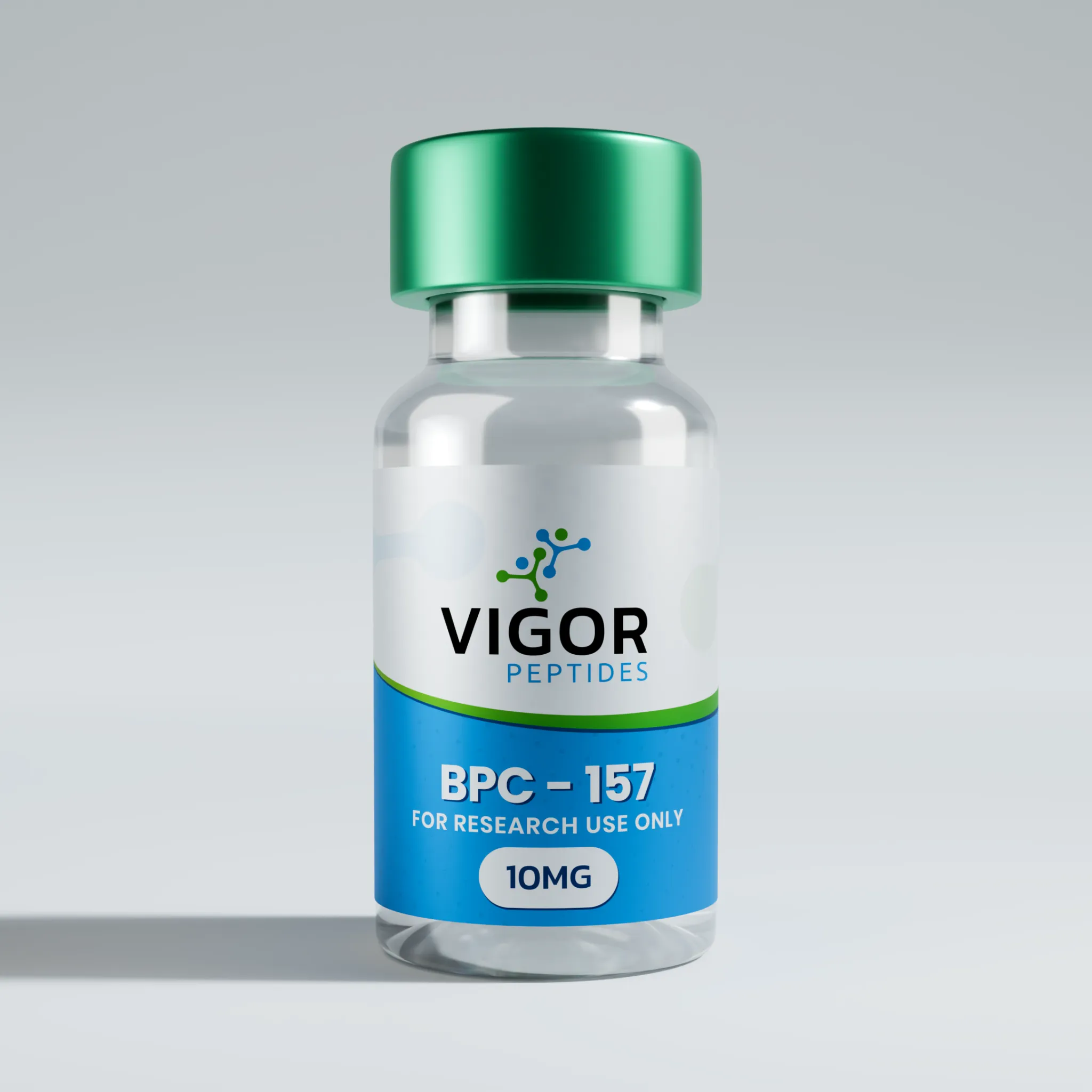
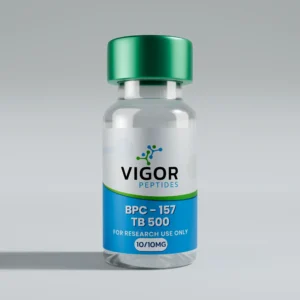
Buy BPC-157 10MG
$79.00
BPC-157 is a synthetic peptide studied for its role in peptide signaling, cellular communication, and tissue-related research models within controlled laboratory environments.
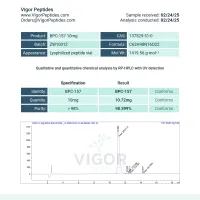
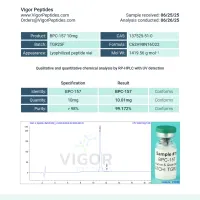
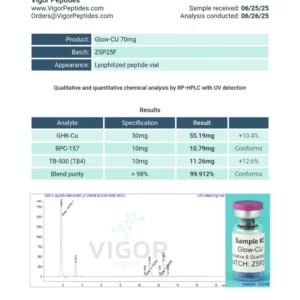
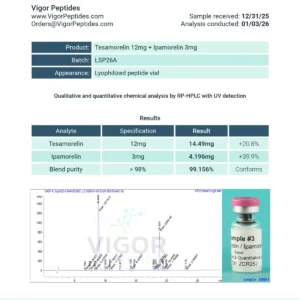
Third-party lab tested with Certificate of Analysis (COA)
Supplied as lyophilized peptide powder (10mg)
In stock and ready to ship
Note: This product is intended for laboratory research use only. Not for human consumption.
What is BPC-157?
BPC-157 is a synthetic peptide commonly studied in controlled laboratory environments for its interaction with peptide signaling systems, cellular communication pathways, and tissue-related research models. Derived from a sequence associated with Body Protection Compound research, BPC-157 is frequently utilized in experimental studies investigating peptide activity, pathway interaction, and cellular signaling mechanisms.
Researchers include BPC-157 in laboratory models designed to evaluate peptide-mediated communication systems, pathway dynamics, and compound-specific signaling behavior within controlled experimental settings.
At Vigor Peptides, each batch undergoes third-party analytical testing to verify identity, purity, and quantity. Every production lot is paired with a corresponding Certificate of Analysis (COA) for transparency and traceability.
How Does BPC-157 Work in Research?
Researchers study BPC-157 to evaluate how peptide signaling systems interact with cellular communication pathways and tissue-related research models.
Peptide Signaling Research
BPC-157 is frequently examined in experimental frameworks involving peptide-mediated communication systems and signaling pathway interaction.
Cellular Communication Models
Research models commonly include BPC-157 to evaluate pathway-specific signaling behavior and compound interaction within cellular systems.
Tissue-Related Research
Researchers investigate how peptide compounds interact with signaling networks associated with tissue-related laboratory research models.
Pathway Interaction Studies
BPC-157 is also utilized in experimental settings focused on signaling dynamics, peptide communication systems, and pathway-specific research frameworks.
Research Findings (Laboratory Context Only)
Controlled laboratory studies involving BPC-157 have explored several research areas:
- Peptide signaling pathway models
- Cellular communication systems
- Tissue-related research frameworks
- Pathway interaction studies
- Experimental peptide signaling investigations
These findings remain limited to controlled laboratory environments and do not imply therapeutic, clinical, or diagnostic application.
Why Researchers Study BPC-157
Researchers study BPC-157 because of its role in peptide signaling investigations and cellular communication research models.
Its mechanism profile supports investigation involving:
- Peptide signaling research
- Cellular communication systems
- Tissue-related research models
- Pathway interaction analysis
- Experimental signaling frameworks
The compound’s signaling characteristics support structured investigation across multiple laboratory research environments.
Product Format & Configuration
- Supplied as 10mg lyophilized peptide powder
- Synthetic peptide research compound
- Individually sealed research vial
- Laboratory research format
Storage & Handling
Form: Lyophilized peptide powder
Storage Conditions:
- Store at -20°C in a dry, light-protected environment
- Maintain vial integrity until use
- Avoid repeated freeze-thaw cycles
Stability:
BPC-157 maintains structural integrity under recommended laboratory storage conditions when properly stored and handled.
Compliance Statement
BPC-157 is supplied strictly for laboratory research use (RUO). It is not intended for human or veterinary use and may not be used for medical, diagnostic, or therapeutic purposes.
Researchers are responsible for following all applicable regulations, handling procedures, and laboratory safety standards.
Quality & Verification
Each batch of BPC-157 undergoes third-party analytical testing to verify:
- Identity confirmation
- Purity analysis
- Quantity verification
Each vial is matched to a corresponding Certificate of Analysis (COA), ensuring batch-level traceability and transparency.
Ordering & Availability
Laboratories seeking to buy BPC-157 or order BPC-157 peptide online for research purposes can review current batch availability and testing documentation directly on this page.
Summary
BPC-157 is a synthetic peptide studied in controlled laboratory environments for its interaction with peptide signaling systems, cellular communication pathways, and tissue-related research models. Its signaling characteristics support structured investigation within peptide pathway and cellular communication research frameworks.
Each batch is independently tested and verified with a corresponding Certificate of Analysis (COA) for research transparency and consistency.
Be the first to review “Buy BPC-157 10MG”
Related products
Reviews
There are no reviews yet.