
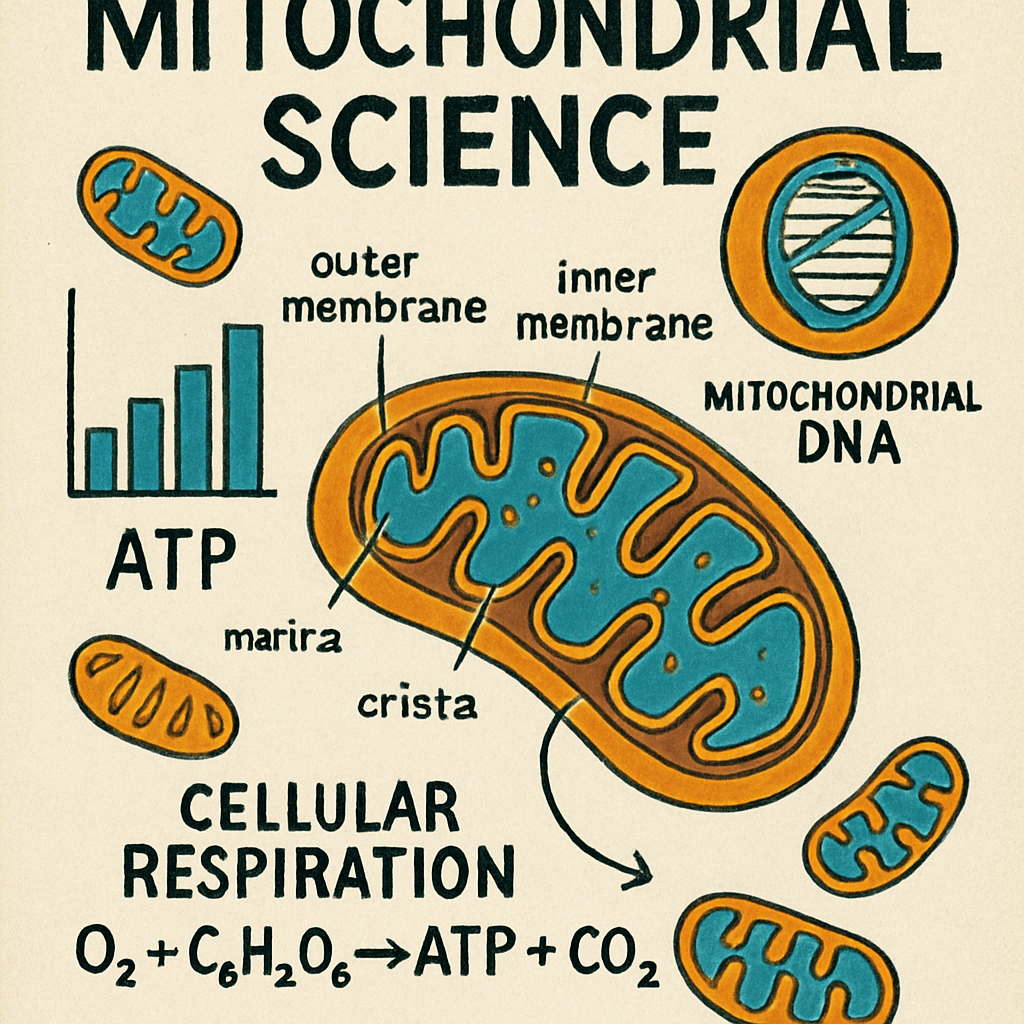
Mitochondrial peptides and related research compounds
Mitochondrial-derived peptides (MDPs) are small proteins examined for roles in mitochondrial signaling and cellular homeostasis in research models. Studies explore how these molecules relate to energy balance, stress responses, and aging-biology markers.¹² Among commonly discussed research compounds are MOTS-c, Epitalon (also spelled Epithalon), and 5-Amino-1MQ. This overview summarizes mechanistic focus in laboratory studies and the pathways scientists investigate—without implying clinical use.
Disclaimer: All compounds mentioned in this article are intended strictly for laboratory research use only. They are not approved for human consumption, clinical use, or therapeutic applications. The information provided is for educational and investigational purposes only.
MOTS-c: focus in mitochondrial signaling research
What it is MOTS-c (Mitochondrial ORF of the 12S rRNA-c) is an MDP examined in relation to cellular energy regulation and stress responses.¹²
Mechanistic context (research).
- AMPK-related signaling. Researchers examine associations between MOTS-c and AMPK, a cellular energy sensor that helps coordinate fuel selection under stress.¹
- Metabolic-stress readouts. In addition, lab studies evaluate markers tied to glucose handling and substrate utilization when cells experience energetic challenge.¹
- Oxidative-stress markers. Some work explores whether MOTS-c relates to antioxidant signaling and stress-response pathways in preclinical models.²
Models & assays (examples).
In practice, researchers often use the following models to study MOTS-c:
- In vitro: Myotubes, hepatocytes, adipocytes; p-AMPK/p-ACC immunoblots; OCR/ECAR (Seahorse) for bioenergetics; ROS assays.
- In vivo (preclinical): Energy-balance paradigms; tissue biomarker panels (AMPK axis, antioxidant readouts).
- Note: Findings are model-specific and should be interpreted within experimental limits.
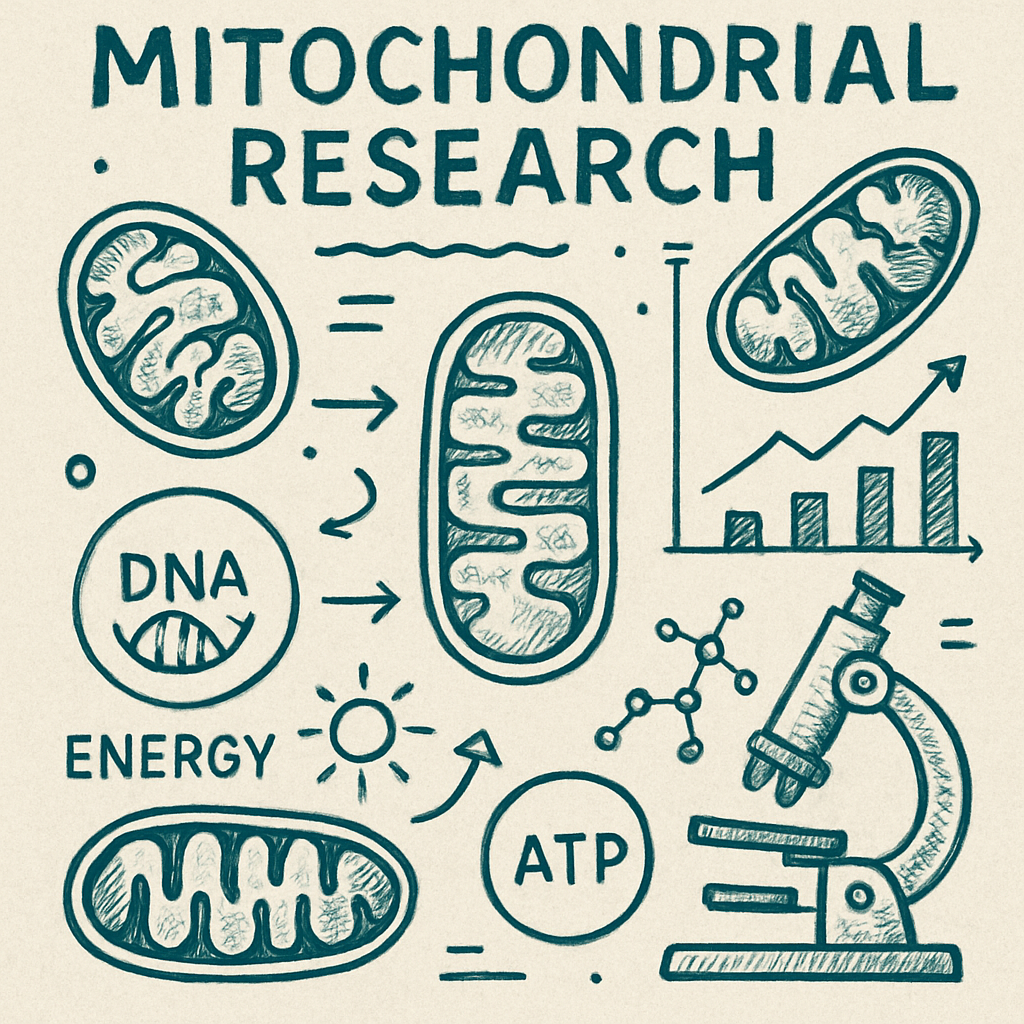
Epitalon (Epithalon): telomere/telomerase research models
What it is Epitalon (Epithalon) (Ala–Glu–Asp–Gly) is a synthetic tetrapeptide examined in aging-biology research.³⁴
Mechanistic context (research).
- Telomere/telomerase dynamics. Cell and animal studies investigate Epitalon in relation to telomere length and telomerase activity.³
- Endocrine/circadian markers. Meanwhile, some research explores connections with pineal signaling and biological rhythms.⁴
Models & assays (examples).
In practice, researchers often use the following models to study Epithalon:
- In vitro: Replicative-senescence cell models; qPCR/TRF for telomere length; TRAP assays for telomerase activity.³
- In vivo (preclinical): Aging-biology paradigms; endocrine and circadian readouts.⁴
- Note: Evidence varies by model, protocol, and assay
5-Amino-1MQ: NNMT inhibitor research (small molecule)
What it is 5-Amino-1MQ is a small-molecule compound (not a peptide) investigated as an NNMT inhibitor in metabolic research.⁵⁶
Mechanistic context (research).
- NNMT activity. Researchers study how 5-Amino-1MQ affects nicotinamide N-methyltransferase and methyl-metabolite balance.⁵⁶
- Energy-balance markers. By contrast with peptide MDPs, this small molecule is often used to probe NAD-related pathways, adipocyte biology, and fuel-use markers in preclinical models.⁵⁶
Models & assays (examples).
In practice, researchers often use the following models to study 5 amino 1 MQ:
- In vitro: Adipocyte models; NNMT enzymatic assays; NAD/NAM metabolite panels.⁵⁶
- In vivo (preclinical): Metabolic-paradigm designs; tissue biomarker prof.

Comparative mechanisms and pathways (RUO)
Research on MOTS-c, Epitalon, and 5-Amino-1MQ highlights distinct pathways scientists study to understand mitochondrial and metabolic biology. The focus remains on mechanisms and biomarkers—not on clinical use.
AMPK pathway research
The AMPK pathway helps coordinate cellular energy responses. For example, MOTS-c is examined for relationships with AMPK-linked signaling and fuel-use markers in laboratory systems.¹ Therefore, common readouts include p-AMPK/p-ACC, OCR/ECAR, and glucose-handling assays—always within controlled experimental contexts.¹²
Oxidative stress and mitochondrial signaling
Oxidative stress can affect cellular components and signaling networks. Some studies examine compounds that target mitochondria. Examples include MOTS-c and Epitalon. These studies investigate if these compounds affect oxidative stress markers and mitochondrial signaling pathways. These observations remain specific to research models.
Telomere and telomerase research models
Epitalon’s frequent use in telomere/telomerase assays keeps it central in aging-biology research.³ As a result, investigations look at telomere maintenance and related markers in cell and animal models to clarify mechanisms; they do not constitute medical guidance.³⁴
NNMT inhibitor research
5-Amino-1MQ is studied for NNMT inhibition and downstream metabolic markers in cell and animal systems.⁵⁶ For example, researchers assess NNMT enzymatic activity, methyl-metabolite balance, and NAD-related measures alongside adipocyte readouts—again, within preclinical models.⁵⁶

How researchers choose a compound (context only)
- Pathway fit. AMPK-focused designs often examine MOTS-c (energy-sensing markers), whereas telomere/telomerase paradigms center on Epitalon; 5-Amino-1MQ fits NNMT-centric studies.¹³⁵
- Model & assay alignment. Select cell lines and assays that directly map to the mechanism (e.g., TRAP for telomerase; NNMT activity assays; OCR/ECAR for bioenergetics).³⁵
- Reporting & reproducibility. Document protocol variables (e.g., time, temperature, reagents, analysis code) to support repeatability and comparison across labs.
- RUO reminders. Keep framing to mechanisms and markers; avoid clinical language, dosing, or consumer guidance.
Future directions (research context only)
Ongoing work is mapping mitochondrial signaling (e.g., AMPK), aging-biology markers (e.g., telomere dynamics), and enzyme-centered pathways (e.g., NNMT) across diverse experimental systems. As methods improve, researchers may gain clearer insight into how these compounds behave across conditions and time courses.¹²⁵
Safety and Tolerability in Research
Safety profiles of these peptides play an important role in evaluating their suitability for ongoing laboratory studies. While all three compounds have shown consistent performance in controlled research environments, scientists continue to examine their long-term behavior, including receptor-specific responses and compound stability over time.
Current investigations are focused on understanding how extended exposure to these peptides may affect biological markers in preclinical models. As studies progress, the development of standardized research protocols and best practices will help ensure reproducibility and reliable data collection across study designs. These efforts remain essential to advancing responsible and well-informed peptide research.
Conclusion
MOTS-c, Epitalon (Epithalon), and 5-Amino-1MQ are frequently discussed in mitochondrial and metabolic research for their mechanistic relevance. Throughout, the emphasis remains on pathways, biomarkers, and reproducible laboratory methods. Any findings are investigational and limited to the research setting.
References
- Lee C, et al. Mitochondrial-derived peptide MOTS-c and metabolic homeostasis (preclinical studies). Cell Metabolism. 2015.
- Yen K, Lee C, Mehta H, Cohen P. Mitochondria-derived peptides in metabolism and stress signaling (review). Trends in Endocrinology & Metabolism. 2013.
- Khavinson VKh, et al. Epitalon in cell/animal models of telomere/telomerase dynamics. Bulletin of Experimental Biology and Medicine. 2003.
- Anisimov VN, et al. Pineal tetrapeptide (Epitalon) in aging-biology models. Biogerontology / Experimental Gerontology. 2003.
- Pissios P. Nicotinamide N-methyltransferase (NNMT): roles in metabolism and disease (review). Trends in Endocrinology & Metabolism. 2017.
- Ulanovskaya OA, et al. NNMT and methyl-metabolite balance in cellular models. Nature Chemical Biology. 2013.
To explore additional research summaries, visit our Peptide Research Articles, where we highlight emerging findings and data sets shaping the peptide research field.